Marmoset Monkey Breeder RSA
Specialize in Exotic Monkeys

Fennec Fox
Specialized Care & Information
It is a great opportunity to help new fennec fox moms & visitors to understand the context and background about the Fennec Foxes.
Click on the 'READ MORE' to start reading each content.
Fennec Fox
Before Adopting
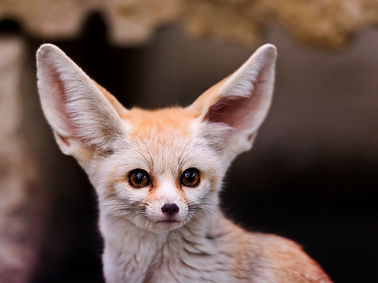
Owning a fennec fox can be an incredibly rewarding and unique experience. These small, desert-dwelling canids have captivated many with their adorable appearance and unique characteristics. However, it's important to understand that fennec foxes require specific care and attention to ensure their well-being as pets. Before bringing a fennec fox into your home, it's essential to conduct thorough research. Learn about their natural behaviors, dietary needs, environmental requirements, and any local regulations or permits necessary for keeping them as pets. Ensure that it is legal and permitted to own a fennec fox in your area. Fennec foxes require a spacious and secure enclosure that allows them to exercise and exhibit their natural behaviors. Ensure the enclosure is escape-proof and offers ample room for climbing, running, and digging. Provide hiding spots, platforms, and various textures for mental stimulation. Additionally, consider dedicating a separate outdoor space for supervised exploration, ensuring it is fox-proof and safe from potential hazards. Proper Diet and Nutrition: A well-balanced and species-appropriate diet is crucial for a fennec fox's health. Their diet should consist of high-quality commercial fox or ferret food, supplemented with raw meats, insects, and small amounts of fruits and vegetables. Consult with a experienced veterinarian in exotic animal care to create a nutritionally balanced diet plan for your fox. Veterinary Care: Finding a veterinarian knowledgeable about fennec foxes is vital. Schedule a comprehensive health check-up for your new fennec fox and establish a regular vaccination and deworming schedule. Environmental Enrichment: Fennec foxes are intelligent and active animals that require mental stimulation and enrichment. Provide them with a stimulating environment that includes toys, puzzle feeders, climbing structures, and hiding spots. Regular interaction, playtime, and training sessions will also contribute to their mental well-being. Socialization and Bonding: Fennec foxes are social creatures and benefit from regular socialization and bonding with their human caregivers. Spend quality time with your fox, engaging in interactive play, grooming sessions, and positive reinforcement training. However, always respect their boundaries and remember that they have specific behaviors and needs. Safety Precautions: Ensure your home is fox proof to prevent any potential dangers or escapes. Fennec foxes can be curious and agile, so secure electrical cords, remove toxic plants, and eliminate access to hazardous substances. Supervise interactions with other pets and small children to prevent accidents.
Fennec Fox
Preparing for Winter
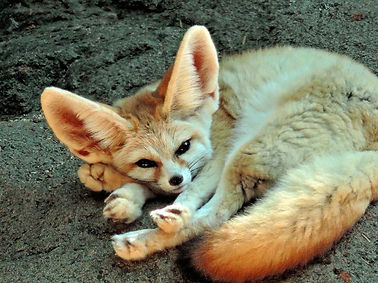
Preparing for Winter: As winter approaches, it is crucial to ensure that your fennec fox is adequately prepared for the colder temperatures. Fennec foxes are native to the Sahara Desert and are naturally adapted to hot climates, Therefore, it is essential to take certain measures to help your furry friend stay comfortable and healthy during the winter season. Create a Warm and Insulated Shelter: One of the most important aspects of preparing your fennec fox for winter is providing them with 2 warm and insulated shelters. Fennec foxes are highly sensitive to cold temperatures, so its vital to create a cozy space for them to retreat to when the weather gets chilly. Ensure that their enclosure is properly insulated, with materials such as straw, blankets, or hay to provide added warmth. Additionally, consider using heat pads or heated blankets designed for pets to provide an extra source of warmth during extremely cold days and nights. Adjust the Lighting: During winter, the days become shorter, and natural sunlight is limited. Fennec foxes, like other animals, rely on natural light to regulate their biological rhythms. To mimic natural daylight, consider installing full-spectrum lighting in their enclosure. Full-spectrum bulbs emit light that closely resembles natural sunlight and can help regulate your fennec fox's sleep patterns and overall well-being during the winter months. Monitor and Control Indoor Temperature: If you choose to bring your fennec fox indoors during winter, its important to maintain a suitable temperature in your home. Fennec foxes prefer temperatures ranging from 20°C to 30°C. Ensure that the room they are housed in remains within this temperature range. Avoid exposing them to cold drafts or extreme heat from heating systems. Use a thermometer to monitor the temperature and make any necessary adjustments to keep your fennec fox comfortable. Adjust Diet and Hydration: During winter, fennec foxes may experience a decrease in activity levels and metabolism. Adjust their diet accordingly to prevent obesity and other health issues. Additionally, ensure that fresh water is always available to prevent dehydration. Provide Enrichment and Mental Stimulation: Due to the limited outdoor activities during winter, its essential to provide ample mental stimulation and enrichment for your fennec fox. Engage them in interactive play, provide puzzle toys, and create a stimulating environment within their enclosure. This will help prevent boredom and keep them mentally active and content throughout the winter season. Regular Health Check-ups: Winter can pose certain health risks for fennec foxes, such as respiratory infections or dry skin. Schedule regular veterinary check-ups to monitor their overall health and address any potential issues promptly. The vet can also provide recommendations for specific dietary supplements or skin care products to maintain your fennec fox's well-being during winter.
Fennec Fox
Healthy Diet
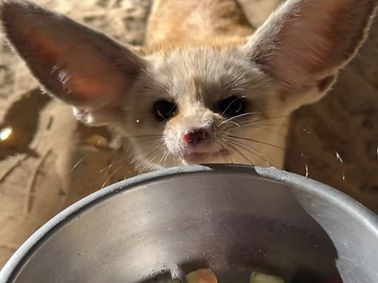
Diet: Feeding your fennec fox a well-balanced and nutritious diet is essential for their overall health and well-being. These small, desert-dwelling canids have specific dietary requirements that should closely mimic their natural diet. Natural Diet: In the wild, fennec foxes primarily feed on a varied diet consisting of insects, small rodents, birds, eggs, and plant mater. It is crucial to replicate this diet as closely as possible when feeding them in captivity. A high-quality commercial fox or ferret food serves as a convenient and reliable base for your fennec fox's diet. Look for products specifically formulated for exotic carnivores and ensure they contain real meat as the primary ingredient. These foods are designed to provide the necessary balance of protein, fat, and essential nutrients. To mimic their natural diet, supplementing your fennec fox's meals with raw meats are vital. Offer a variety of lean meats, such as chicken, turkey, and rabbit. Avoid using processed meats like sausages or cured meats, as they contain additives and high levels of sodium that can be harmful to your pet. Insects play a significant role in a fennec fox's diet. Crickets, mealworms, and waxworms can be added to their meals, providing an excellent source of protein and essential nutrients. Ensure the insects are properly gut-loaded (fed nutritious food) before offering them to your pet to ensure optimal nutrition. To ensure your fennec fox receives all the necessary vitamins and minerals, it may be beneficial to incorporate supplements into their diet. Consult with a experienced veterinarian in exotic animal care to determine the appropriate supplements and dosage for your fox. Common supplements include calcium, vitamin D3, and omega-3 fatty acids. While fennec foxes are primarily carnivorous, they also consume plant matter in the wild. Offer a small portion of fresh fruits and vegetables as part of their diet. Suitable options include diced melons, berries and leafy greens. Avoid feeding toxic foods like anions, grapes, raisins, carrots, corn tuna, peppers and chocolate, as they can be harmful to your pet. Access to fresh, clean water is vital for your fennec fox's well-being. Ensure a constant supply of water is available in a secure and spill-proof container. Fennec foxes can become easily dehydrated, so monitor their water intake and seek veterinary attention if you notice any signs of dehydration. Establish a regular feeding schedule for your fennec fox and stick to it. Divide their daily food intake into multiple small meals throughout the day, simulating their natural feeding behavior. Avoid overfeeding to prevent obesity, as excess weight can lead to health problems. Adjust portion sizes based on your fox's age, activity level, and overall health.
Fennec Fox
Toys & Accessories
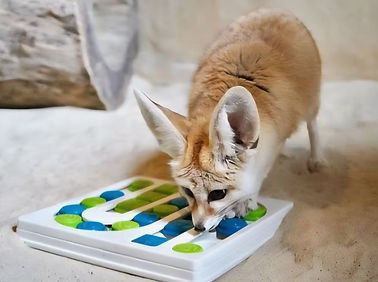
Puzzle Toys: Fennec Foxes are intelligent and love to solve puzzles. Interactive puzzle toys challenge their minds and keep them mentally stimulated. Look for toys that require them to manipulate objects or uncover hidden treats. These toys provide mental exercise and prevent boredom by engaging their cognitive abilities Tunnels: Fennec Foxes are natural diggers and enjoy exploring tunnels. Tunnels designed specifically for them allow them to satisfy their instinctual behaviors. Look for tunnels made from safe materials, such as fabric or PVC, and provide opportunities for hiding treats or toys inside to encourage exploration and play. Feathered Toys: Fennec Foxes have a strong prey drive and enjoy interactive play. Feathered toys simulate the movement of birds and engage their hunting instincts. Look for toys with feathers that are securely attached and allow for interactive play, such as teaser wands or feathered balls. Always supervise playtime to ensure safety and prevent ingestion of small parts. Foraging Toys: Fennec Foxes have a natural inclination for foraging and searching for food. Foraging toys tap into this instinct and provide mental stimulation. Look for toys that allow you to hide small treats or pieces of food, encouraging them to use their problem-solving skill to access the rewards. These toys keep them engaged and provide a rewarding experience. Chew Toys: Fennec Foxes, like many other animals, have a natural need to chew. Providing them with appropriate chew toys helps satisfy this instinct and keeps their teeth healthy. Look for chew toys made from safe materials, such as sturdy rubber or natural wood, and avoid toys with small parts that could be swallowed. Ball Toys: Fennec Foxes enjoy chasing and playing with balls. Choose toys that are small enough for them to handle and roll around easily. Look for balls made from safe materials that can withstand their playful nature. Providing a variety of textured balls can enhance their sensory experience and keep them entertained. Digging Boxes: Fennec Foxes have a natural instinct to dig and burrow. Creating a designated digging box can provide them with an outlet for this behavior. Fill a shallow box with child-safe sandbox sand or similar substrate and hide toys or treats within. This allows them to engage in their natural digging behavior in a controlled and safe environment.