Marmoset Monkey Breeder RSA
Specialize in Exotic Monkeys

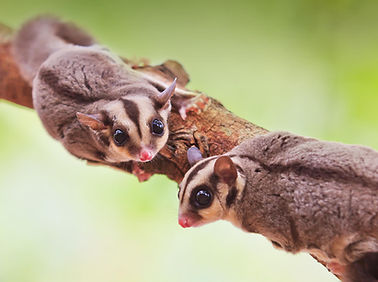
Sugar Glider
Specialized Care & Information
It is a great opportunity to help new sugar glider moms & visitors to understand the context and background about Sugar Gliders.
Click on the 'READ MORE' to start reading each content.
Sugar Gliders
Before Adopting
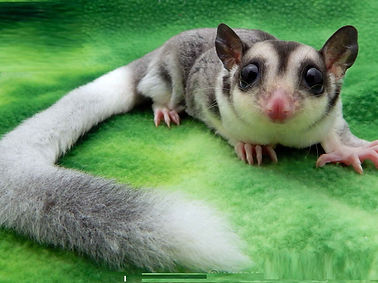
Sugar gliders are enchanting and social animals that have gained popularity as exotic pets. Their adorable appearance and playful nature make them captivating companions. However, before deciding to adopt a sugar glider, it is crucial to understand their unique needs and requirements. Commitment and Lifespan: Sugar gliders have an average lifespan of 10 to 15 years, but they can live longer with proper care. Owning a sugar glider is a long-term commitment that requires time, attention, and dedication. Ensure you are ready to provide consistent care and companionship throughout their lives. Social Nature: Sugar gliders are highly social animals and thrive in the company of their own kind. It is advisable to adopt at least two gliders to prevent loneliness and promote their mental well-being. If you are unable to adopt multiple gliders, be prepared to dedicate a significant amount of time to interact and bond with your sugar glider. Legal Considerations: Before adopting a sugar glider, familiarize yourself with the legalities surrounding their ownership in your area. Space and Enclosure: Sugar gliders require a spacious and enriching environment to thrive. A large enclosure with vertical space, branches for climbing, hiding places, and toys for mental stimulation are essential. The enclosure should be escape-proof, well-ventilated, and safe for gliders to explore and glide within. Diet and Nutrition: Proper nutrition is crucial for the health of your sugar glider. Veterinary Care: Finding a veterinarian with knowledge and experience in sugar glider care is vital. Regular check-ups, vaccinations, and preventive care are necessary to maintain your glider's health. Sugar gliders are prone to certain health issues, including dental problems and nutritional deficiencies, so it's essential to schedule regular veterinary visits for their well-being. Nocturnal Lifestyle: Sugar gliders are nocturnal animals, meaning they are most active during the night. It's important to understand and respect their natural sleep patterns. Be prepared for their active play and gliding sessions during the evening and early morning hours, and ensure they have a quiet and dark sleeping area during the day. Financial Considerations: Owning a sugar glider comes with financial responsibilities. Expenses include purchasing or building an appropriate enclosure, providing a balanced diet, veterinary care, toys, bedding, and other supplies. Budget for ongoing expenses and potential veterinary emergencies to ensure you can provide for your sugar glider's needs. Bonding and Training: Building a bond with your sugar glider requires patience and time. Allow them to acclimate to their new environment gradually, and provide positive and consistent interaction to develop trust. Gentle handling and bonding exercises can help establish a strong and secure relationship. Consider their individual personalities and temperaments when training and interacting with your glider.
Sugar Gliders
Understanding your Glider
Natural Habitat: Sugar gliders are arboreal creatures that inhabit the forests of their native range. They spend most of their lives in trees, using their gliding membranes, called patagium, to travel between branches. In captivity, they need a spacious enclosure with vertical space, multiple levels, and plenty of toys and perches to mimic their natural habitat. Social Nature: Sugar gliders are highly social animals that live in colonies in the wild. It's recommended to keep them in pairs or small groups to prevent loneliness and promote their well-being. Human companionship is essential, as they can form strong bonds with their owners through gentle handling and regular interaction. Nocturnal Behavior: Sugar gliders are primarily nocturnal, which means they are most active during the night. They have excellent night vision and rely on their acute sense of smell to navigate and find food. It's important to provide them with a quiet and undisturbed sleeping environment during the day to ensure they get enough rest. Diet: In the wild, sugar gliders have a diverse diet consisting of nectar, pollen, tree sap, insects, and the occasional small vertebrates. Bonding and Handling: Building a strong bond with your sugar glider requires patience and trust. Start by allowing them to become accustomed to their new environment and scent. Gradually introduce gentle handling, using slow movements and a soft touch. Bonding pouches, which mimic the warmth and security of a mother's pouch, can also aid in developing trust and companionship. Enrichment and Playtime: Sugar gliders are active and playful animals that require mental and physical stimulation. Provide them with a variety of toys, such as ropes, tunnels, and puzzles, to keep them engaged. Additionally, dedicate daily playtime outside the enclosure, allowing them to explore and glide in a safe, supervised space.
Sugar Gliders
Preparing for Winter
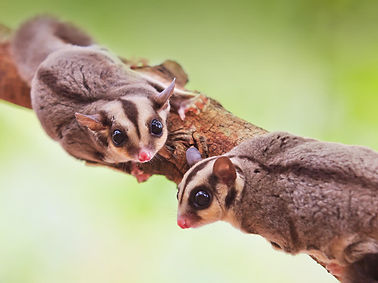
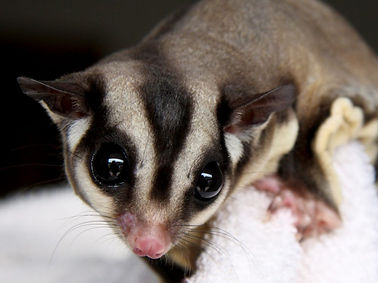
Winter: Temperature: Sugar gliders are native to warm and tropical regions, so they are more sensitive to cold temperatures. It's crucial to maintain a suitable temperature range in their living area. Keep the ambient temperature between 24°C and 27°C. Avoid exposing them to drafts or extreme temperature fluctuations, which can stress their delicate systems. Provide Adequate Heating To create warm and comfortable environment, consider using a reptile heat lamp or a ceramic heat emitter. Position the heat source carefully to ensure it does not touch the cage or pose any risks or burns to your glider. Use a thermostat to regulate the temperature and prevent overheating. The heat source should be available throughout the day and night. Insulate the Cage: To enhance the insulation of your gliders’ cage, consider using a larger enclosure with solid sides. This will help retain heat and protect them from drafts. Insulating the cage walls with blankets or towels can further minimize heat loss. Be cautious not to block ventilation, as fresh air circulation remains crucial for their health. Provide Warm Bedding and Nesting Materials: Sugar gliders love to snuggle up and create cozy nests. Offer them plenty of warm bedding material, such as fleece blankets, flannel pouches, or shredded paper. These materials provide insulation and create a comfortable sleeping environment. Ensure the bedding is clean and dry, and replace it regularly to maintain hygiene. Adjust Lighting: During the winter season, the day light hours become shorter. To mimic natural lighting conditions, adjust the artificial lighting in their enclosure accordingly. Consider using a timer to regulate the light cycle and provide them with around 10-12 hours of light per day. This helps maintain their natural circadian rhythm and supports their overall well-being, Maintain a Balanced & Proper nutrition is essential year-round, including during winter. Offer them foods rich in vitamins and minerals to support their immune system. Providing a balanced diet is crucial for their health and helps them maintain a healthy weight throughout the winter months. Encourage Exercise even though sugar gliders may be less active during the winter, its important to provide opportunities for exercise and mental stimulation. Offer them interactive toys, puzzle, feeders, and climbing structures within their enclosure. Engage in bonding activities, such as gentle playtime and social interaction, to keep them mentally stimulated and emotionally fulfilled. Monitor Hydration: Proper hydration is vital for sugar gliders’ overall well-being, even during winter when the air may be dryer. Ensure fresh water are readily available in a clean and accessible water bottle. Monitor their water intake and check the bottle regularly to ensure it hasn't frozen or become clogged. Additionally, you can provide water-rich foods like: fruits and vegetables to supplement their hydration needs. Bonding and Affection: Lastly, remember to shower your sugar gliders with love, attention, and affection during the winter months. Spending quality time with them strengthens the bond between you and helps alleviate any potential seasonal changes in their behavior or mood.
Sugar Gliders
Healthy Diet
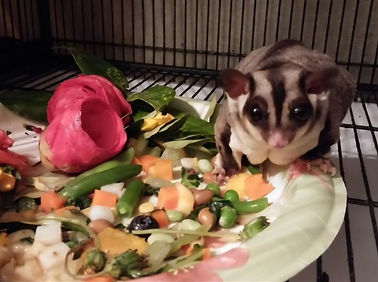
Well-balanced and nutritious diet is crucial. These small marsupials have unique dietary requirements that need to be met to ensure they receive the proper nutrients for optimal growth, vitality, and longevity. Here I will outline 2 healthy diet plans to help you provide your sugar glider with a nutritionally complete and balanced menu. The Foundation: Commercial Sugar Glider Pellets A high-quality commercial sugar glider pellet should form the foundation of your pet's diet. These specially formulated pellets are designed to provide the necessary vitamins, minerals, and nutrients that sugar gliders require. Look for brands that are specifically formulated for sugar gliders and avoid pellets intended for other species. Pellets should constitute approximately 25% of their daily food intake. Fresh fruits and vegetables should make up a significant portion of your sugar glider's diet. These foods provide essential vitamins, minerals, and dietary fiber. Offer 2 wide variety of options such as apples, pears, bananas, grapes, berries, carrots, sweet potatoes, broccoli, and leafy greens. Aim to include at least three different types of fruits and vegetables in their daily diet. Protein is an essential component of a sugar gliders diet. Offer a variety of lean protein sources to ensure they receive adequate nutrition. Suitable options include cooked chicken, turkey, eggs, mealworms, and small amounts of cooked fish. Its important to note that insects should be purchased from reputable sources or bred specifically for pet consumption to avoid pesticide or toxin exposure. Sugar gliders require adequate calcium and vitamin D3 to maintain healthy bones and prevent deficiencies. Calcium can be provided through a calcium supplement powder or calcium-rich foods like yogurt and cottage cheese. Additionally, sugar gliders can obtain vitamin D3 naturally through exposure to natural sunlight or through commercial calcium supplements that contain vitamin D3. However, ensure that the vitamin D3 levels are appropriate for sugar gliders, as excessive amounts can be harmful. Treats can be part of your sugar gliders diet but should be given sparingly. Treats should make up no more than 10% of their overall food intake. Offer occasional treats such as mealworms, small pieces of fresh fruit, or yogurt drops. Remember, moderation is key to maintain a balanced diet. Provide your sugar glider with fresh, clean water at all times. Use a sipper bottle or 2 shallow dish that they can easily access. Monitor the water level daily and ensure it is changed regularly to maintain hygiene and freshness. Establish a feeding schedule and stick to it to maintain consistency and help regulate your sugar gliders metabolism. Offer small, frequent meals throughout the evening and night, as sugar gliders are primarily nocturnal. Adjust the portion sizes according to your pet's appetite and activity level, ensuring they receive enough food without overfeeding.
Sugar Gliders
Toys & Accessories
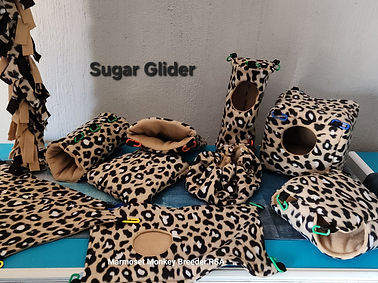
Toys: Providing them with the right toys is essential for their physical and mental well-being. Toys not only keep them entertained but also stimulate their natural behaviors and provide them with the necessary exercise. Climbing and Exercise Toys: Sugar gliders are natural climbers and love to explore their environment. Providing them with climbing toys such as ladders, branches, and ropes allows them to exercise their acrobatic skill and satisfy their natural instincts. Look for toys that are safe, sturdy, and designed specifically for sugar gliders to ensure their safety. Pouches and Hammocks Sugar gliders are den-dwelling creatures and enjoy cozy and secure spaces. Pouches and hammocks provide them with a comfortable resting place where they can curl up and sleep. These toys also mimic their natural nesting behavior and create a sense of security. Use soft, washable materials and ensure the toys are securely attached within the enclosure. Foraging Toys: Sugar gliders have a strong instinct for foraging and searching for food. Foraging toys, such as puzzle boxes or treat-dispensing toys, tap into this instinct and provides mental stimulation. These toys require the sugar gliders to work to access hidden treats, keeping them engaged and providing a rewarding experience. You can hide small treats or pieces of fruits in these toys to encourage their natural behaviors. Interactive Toys: Toys that can be manipulated, tossed, or swung, such as balls, tunnels, and hanging toys, are great for engaging their curiosity and encouraging physical activity. Look for toys that are safe for them to chew on and explore. Chewing Toys: Sugar gliders have strong teeth and enjoy chewing on objects. Providing them with appropriate chewing toys helps satisfy their chewing instincts and keeps their teeth healthy. Look for toys made from safe materials, such as wooden blocks or chewable ropes, and avoid toys with small parts that can be swallowed, Puzzle Toys: Sugar gliders are intelligent animals and enjoy problem-solving. Puzzle toys challenge their minds and keep them mentally stimulated. Look for toys that require them to manipulate objects or solve puzzles to access rewards. These toys not only provide mental exercise but also prevent boredom.
Sugar Glider
To Continue
Sugar Glider
To Continue
Sugar Glider
To Continue