Marmoset Monkey Breeder RSA
Specialize in Exotic Monkeys

Capuchins
Specialized Care & Information
It is a great opportunity to help new monkey moms & visitors to understand the context and background about the Capuchin Monkeys.
Click on the 'READ MORE' to start reading each content.
Capuchins
Before Adopting & Questionnaire
Questionnaire: 1. Are you willing to give up all your partying, eating out, going on Holiday or unless you go to places that allow them? 2. Do you have children under the age of 15years? 3. Do you work? 4. Are you willing to spend all day long with your Capuchin? Teaching them, disciplining them & giving them allot of love and attention? 5. Are you willing to give up all your personal time for your Capuchin? 6. Are you willing to have sleepless nights when they sick? 7. Are you willing to stick to a STRICT daily routine for the rest of your life and theirs? 8. Are you willing to get dirty, bitten and scratched? Capuchins are not meant for pedantic people. 9. Are you willing to keep an watchful eye over them all day long, run around after them seeing they do not break and chew things in your house? 10. If you are married, are you willing to devote most of your time to your Capuchin and not you partner? 11. Are you willing to let your capuchin sleep in the bed with you? They all get to that stage some time or the other. Be prepared that one day the cute baby you raised can turn against you! If your answer is NO to most of these questions, a Capuchin is not meant for you, it will only be rehomed eventually. If your answer is YES to these questions, you can have the most rewarding experience with one IF you raise them correctly!! By making an informed decision, you can create a loving and enriching environment for your Capuchin monkey, fostering a lifelong bond and ensuring their well-being for years to come. Please think carefully before buying a Capuchin as a pet not just for you and your family sake but for the Capuchins sake, this is the reason why most end up being rehomed or in sanctuaries. Breeders do not ask these questions and most people do not always tell the truth. Adopting a Capuchin Monkey: A Life-Changing Decision that Demands Education and Responsibility. Bringing a pet into your life can be an incredibly rewarding experience, and one such extraordinary choice is adopting a Capuchin monkey. These intelligent and charismatic creatures have captured the hearts of many animal enthusiasts. However, adopting pet Capuchin monkey is a life-changing decision that requires careful consideration and a commitment to understanding the unique needs and responsibilities that come with it. Capuchin monkeys, native to Central and South America, are renowned for their high level of intelligence and ability to learn complex tasks. They exhibit remarkable dexterity and are capable of using tools, problem-solving, and even displaying rudimentary forms of empathy. These qualities make them fascinating and engaging companions. Life-Changing Experiences: Companionship and Bonding: Capuchin monkeys possess a social nature and can form deep bonds with their human caregivers. They provide companionship and emotional support, especially to individuals who may feel isolated or lonely. The bond between a Capuchin monkey and its owner can be truly transformative. Stimulation: Interacting with a Capuchin monkey offers an opportunity for constant mental stimulation. These intelligent primates thrive on mental challenges, problem-solving, and learning new tasks. Engaging with their curious nature can help expand your own mental horizons. Emotional Intelligence: Capuchin monkeys possess a heightened emotional intelligence and can often detect and respond to human emotions. They can provide comfort and assistance during times of stress or emotional distress, making them invaluable companions for individuals with specific needs. Education and Informed Decision-Making: Longevity and Commitment Capuchin monkeys have an average lifespan of 30 to 40 years, meaning they require a long-term commitment. Its essential to be aware of the potential challenges and responsibilities that come with their extended lifespan before making the decision to adopt. Specialized Care and Enclosure: Capuchin monkeys require a specialized living environment that includes adequate space for exercise, enrichment activities, and social interaction. Understanding their unique dietary and habitat needs is crucial for providing a healthy and enriching environment. Time and Financial Commitment: Capuchin monkeys demand significant time and attention from their owners. They need daily interaction, mental stimulation, and physical exercise. Moreover, their specialized dietary needs and potential veterinary expenses should be factored into your decision-making process
Capuchins
Language Decoding
Monkey Communication: Capuchin monkeys are not only known for their intelligence and captivating personalities but also for their unique communication skills. They possess a rich repertoire of Sounds, gestures, and body language that enable them to express a wide range of emotions and convey messages to their fellow monkeys and human caregivers. Vocalizations of Capuchins: Vocals: Capuchin monkeys use various vocalizations to communicate. They include chirps, barks, screams, coos, and tril. Each vocalization carries a distinct meaning and serves different communication purposes. Alarm Calls: Capuchins have different alarm calls to warn their troop of potential threats. They emit high-pitched alarm calls when they detect predators or perceive danger nearby, alerting others to be vigilant and take appropriate action. Social Calls: Capuchins use social calls to establish and maintain social bonds within their troop. These calls can signify greetings, expressions of affiliation, or even conflict resolution. Begging Calls: When Capuchin monkeys want to solicit food or attention from others, they emit distinct begging calls that are hard to ignore. These vocalizations are often accompanied by specific body language gestures. Facial Expressions: Capuchin monkeys have highly expressive faces, capable of conveying a range of emotions such as happiness, fear, anger, or curiosity. They use their facial expressions, including eyebrow movements, eye widening, and lip smacking, to communicate their emotional state. Tail Movements: They pose excitement while a tucked tail suggests fear or submission. Capuchin monkey's tale can provide valuable insights into their current mood and intentions. A raised tail indicates confidence. Postures and Gestures: Capuchin monkeys employ a variety of body postures and gestures to communicate. For example, a dominant monkey may stand upright and display a stiff body posture to assert its authority, while a submissive individual may crouch or avert its gaze to avoid confrontation. The Universal Monkey Language: Capuchin monkeys, like other primate species, are believed to possess a form of “universal monkey language” that transcends species barriers. This language consists of set of signals and gestures that can be understood by different monkey species. It allows for basic communication and cooperation, particularly in situations involving social interaction or mutual threat detection. Understanding and Responding to Capuchin Communication: To develop a deeper bond with your pet Capuchin, its crucial to observe and learn their unique communication cues. Spending quality time together and paying attention to their vocalizations, facial expressions, body postures, and gestures will help you understand their needs, emotions, and intentions. When interacting with a Capuchin monkey, it's essential to respond appropriately to their communication signals. This includes providing reassurance, respecting their boundaries, and addressing their needs effectively. Building trust through attentive listening and appropriate responses fosters a strong and meaningful relationship with your pet.
Capuchins
Establish the Troop Leader
Control: Owning a pet Capuchin comes with great responsibility, including the need to establish yourself as the troop leader. Capuchin monkeys are highly intelligent and Social animals that thrive in a structured environment. Safety and Boundary Being in control of your pet Capuchin monkey ensures their safety and the safety of those around them. As the troop leader, you can set and enforce boundaries to prevent them from engaging in potentially harmful behaviors. This includes discouraging aggressive tendencies, preventing escapes, and maintaining control during social interactions. Respect and Trust: Establishing yourself as the troop leader helps to build a foundation of respect and trust between you and your Capuchin. When they see you as the leader, they are more likely to follow your instructions, accept guidance, and rely on your judgment. This mutual trust strengthens the bond and enhances the overall relationship. Behavioral Management: Being in control allows you to effectively manage your Capuchins behavior. By setting consistent rules and expectations, you can shape their behavior positively. Rewarding desired behaviors and redirecting or discouraging unwanted behaviors becomes more effective when they recognize you as the troop leader. Socialization: As social animals, Capuchins have a hierarchical structure within their troops. By assuming the role of the troop leader, you provide a sense of stability and security. This enables smoother socialization and integration into your family and other pets. Your Capuchin monkey will learn to understand their place in the hierarchy and develop appropriate social skills. Being the troop leader facilitates effective training and leaning experiences. Capuchin monkeys are intelligent and capable of learning a wide range of behaviors. By ‘assuming the leadership role, you can establish clear communication channels and guide them through training sessions. They will be more receptive to learning and ‘obeying commands when they perceive you as the authority figure. Mental Stimulation: Capuchin monkeys require mental stimulation and enrichment to prevent boredom and promote their well-being. As the troop leader, you can provide a structured environment with various activities, toys, and challenges. This helps keep their minds engaged and prevents the development of negative behaviors due to boredom or frustration. Health and Care: Establishing yourself as the troop leader allows you to take control of your Capuchin monkey's health and care. You can implement a consistent routine for feeding, grooming, exercise, and veterinary visits. Your authority helps ensure they receive proper nutrition, medical attention, and a healthy lifestyle. Confidence & Emotional Well-being: A pet Capuchin monkey who sees you as the troop leader feels more secure and confident in their environment. They rely on your guidance and leadership, which contributes to their emotional well-being. By being in control, you provide a sense of stability and reduce anxiety, helping them lead a happier and more fulfilled life.
Capuchins
Hygiene
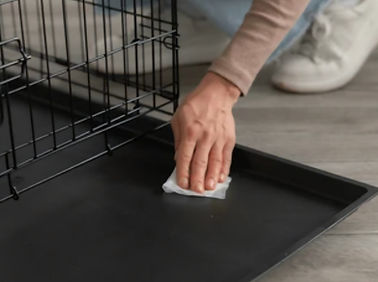
Spot Cleaning: Remove any leftover food, feces, and dirty bedding. Remove solid waste, and dispose of it properly. Replace dirty bedding with fresh and clean bedding. Deep Cleaning: It is crucial to conduct regular deep cleaning sessions for their enclosures. Deep cleaning should be done at least once a week. Remove all toys, perches, and other removable items from the enclosure, Scrub the surfaces of the enclosure with hot water and a mild, pet-safe detergent to remove dirt, stains, and bacteria, Rinse thoroughly to remove any residue and allow the enclosure to air dry completely. Disinfection: Disinfection is an important step in maintaining a healthy and germ-free enclosure. After cleaning the enclosure, use a disinfectant specifically formulated for primate habitats. Follow the manufacturer's instructions for dilution and application. Pay extra attention to high-contact areas, such as feeding bowls, perches, and climbing structures. Allow the disinfectant to sit for the recommended duration before thoroughly rinsing with clean water. Toy and Enrichment Cleaning: Capuchins are highly active and curious animals, and they rely on toys and enrichment items for mental stimulation. Regularly inspect and clean these items to maintain a hygienic environment. Plastic toys can be washed with mild soap and water, ensuring thorough rinsing and drying before reintroducing them. Soft toys or fabric-based enrichment items should be machine-washed. Rotate toys regularly to keep them engaged and prevent boredom. Regular cleaning and maintenance will contribute to a healthy and enjoyable environment for your Capuchin, ensuring their happiness and well-being.
Capuchins
Safe & Toxic Plants
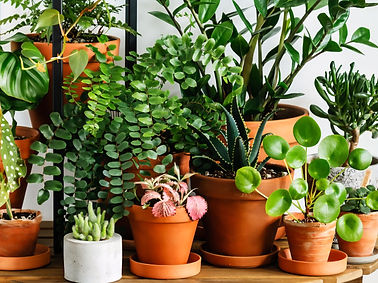
Toxic Plants: Acorn (oak) Amaryllis Anenome Angel trumpet tree Apricot kernels and leaves Arrowhead Autumn crocus Avocado leaves Azalea Bane berry Belladonna Betel nut palm Bird of Paradise (Strelitzia) Bittersweet Black locust Bleeding heart Boxwood Bracken fern Buckeye Burning bush Buttercup Caladium Calla lily Castor bean Cedar Century plant Cheery pits Chinaberry Choke cherry Christmas rose Chrysanthemums Climbing nightshade Cockleburr Columbine Cowbane Cyclamen Daffodil Daphne Deadly Nightshade Delphinium Desert potato Devil's ivy Dieffenbachia Dogwood Dutchman's/Bears breeches Elderberry English ivy Elephant ear Euonymus Fava bean Flags (Iris) Foxglove Hemlock Hollyberries Horse chestnut Horsetail reed Huckleberry Hyacinth Hydrangea Impatiens plant Indian turnip Ink berry Ivy Japanese/chinese tallow Jasmine Jerusalem cherry Lantana Larkspur Laurel (Bay leaf) Ligustrum (Privet) Lily of the Valley Lobelia Lupine Mayapple Milkweeds Mistletoe Mock orange Monkshood Moonseed Morning glory Mother-in-law's tongue Mountain laurel Mulberries Mushrooms/toadstools Narcissus Nightshade Oak tree Oleander Peach seeds Pencil tree Peony Periwinkle Philodendron Pinks Potato - green parts Poinsettia Primrose Privet Ranunculius Rhododendron Rhubarb leaves Rosary pea Snow drop Sorrel Star of Bethlehem Sweet pea Swiss cheese plant Tobacco Tomato - green parts Tulip bulb Virginia creeper Water hemlock Wild black cherry Wild mustard Wisteria Yaupon tree Yellow jessamine Yew berries *Not all Toxic plants are listed here. SAFE PLANTS: African Violet Alaska Variegated Nasturtiums Apricot tree Bamboo - both on the inside and the outside of the enclosure Banana trees Beans - planted in separate containers and put in the cage when mature Blue-leaf wattle Borage Broccoli Bromeliads - seeds and Mealworms can be placed inside the plant Brussel sprouts Cantaloupe - planted in a separate garden and fed whole Casablanca Chinsese Guava Cast iron plants Chive blossoms Clover - inside the enclosure Coleus Comfrey - inside enclosure Corn - separate garden, ears and stalk can be given Cottage pinks Crocus Daisies Day Lily Dianthus Dagwood Dandelions Double Canterberry Bells Dracaena Easter Lily Empress of India Nasturtiums Ferns Fig - various species Forsythia Fuchsia Geranium Ginger - not ornamental Glorious Glean Trailing Mix Granadilla Grape vines Guava tree Hackberry Hibiscus- not Rose of Sharon or 'St Johns Wort Hollyhocks Honey Locusts Honeysuckle Horseradish - hard to eradicate once established Jade plant Jonny Jump-ups Kablouna Calendulas Kalanchoe Long-leaved magnolias Lemon basil Lemongrass Lilac Liriope Long-Leaved Magnolias Malabar Spinach Mammoth Sunflower Nasturtium Melons Norfolk pine tree Palm trees - various species Pansies Passion vine (granadilla) Peach tree Peas - plant in separate garden, feed whole pods Petunia Peppermint Pine - outside enclosure Prayer plant Pumpkin - outside enclosure Roses - rich in vitamin C Rubber tree - inside enclosure Shellginger Silverberry Southern Dewberry Strawberry - separate garden Sweet potato - separate garden Tangerine Gem Thyme Turnips - separate garden Violets - flowers Wandering yew Weeping Chinese Banyan Whirlybird Nasturtiums Willow tree - branches for browse Wild cherry tree - outside enclosure Wild strawberry / snakeberry *Not all safe plants are listed here.
Capuchins
Healthy Diet
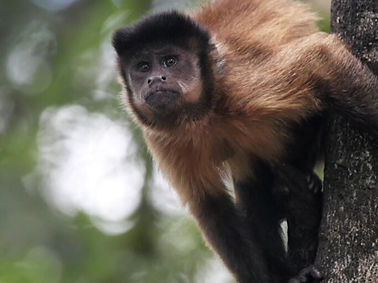
Vegetables; Vegetables should be steamed or cooked when they small and raw can be given when they older. Carrots Pumpkin (Blocks/Mashed) Butternut (Blocks/Mashed) Sweet potato (Blocks/Mashed) Peas Beans Corn on the Cob Broccoli (cooked/raw) Marrows (cooked/raw) Gem Squash (cooked) Cauliflower (cooked/raw) Fruits; 1 Variety per day Pears Kiwi Pomegranate Berries (all varieties) Watermelon/Melons Papaya Passion fruit Apples Litchi Oranges Mango Bananas & Grapes only in small quantities as they are high in sugar. Protein: (Cooked/Steamed) 1-2 varieties a day. Boiled egg (White only) Scrambled egg Chicken - Breasts, Necks, Feet, Hearts Fish - Calamari, Shrimp, Prawn Carbohydrates: 1 Variety daily Whole Wheat Bread Cooked Rice Cooked Pasta Dairy: 2-3x per week Cottage cheese Cheddar cheese Yogurt Nuts - Raw, unsalted (NOT MACADAMIA) Seeds: Raw unsalted Coconut Chips - Raw, unsalted Insects: DO NOT LET THEM EAT COCKROACHES!! Meal worms Crickets Grasshoppers Flying Ants Always ensure that your Monkey has access to Fresh water at all times Calcium Deficiency is a possibility, Just remember that the absorption of Calcium into the body relies entirely on the presence of Vitamin D3. This is why it is essential that your Monkey receives direct sunlight on a daily basis. Vitamin D3 is produced from direct sun to skin exposure (not through glass). If you maintain a well balanced diet, your Capuchin should receive all the nutrition it needs. Natural vitamins obtained from a correct diet are more beneficial than any supplements. Pro-Lyte: Read packaging for directions, can be given on extremely hot days as it can help to put electrolytes back into your monkey's system & a prevention for dehydration.

Capuchins
To Continue
Capuchins
To Continue