Marmoset Monkey Breeder RSA
Specialize in Exotic Monkeys

Marmoset/Tamaryn Specialized Care & Information
It is a great opportunity to help new monkey moms & visitors to understand the context and background of Marmosets & Tamaryn Monkeys. Click on the 'READ MORE' to start reading each content.

Marmoset/Tamaryn
Healthy Diet
Vegetables: 2 Varieties per day Vegetables should be steamed or cooked, as they will be easier for your marmoset to eat. Carrots Pumpkin (Blocks/Mashed) Butternut (Blocks/Mashed) Sweet potato (Blocks/Mashed) Peas Beans Corn on the Cob Broccoli (cooked/raw) Marrows (cooked/raw) Gem Squash (cooked) Cauliflower (cooked/raw) Fruits; 1 Variety per day Pears Kiwi Pomegranate Berries (all varieties) Watermelon/Melons Papaya Passion fruit Apples Litchi Oranges Mango Bananas & Grapes only in small quantities as they are high in sugar. Protein: (Cooked/Steamed) 1-2 varieties a day. Boiled egg (White only) Scrambled egg Chicken - Breasts, Necks, Feet, Hearts Fish - Calamari, Shrimp, Prawn Carbohydrates: 1 Variety daily Whole Wheat Bread Cooked Rice Cooked Pasta Dairy: 2-3x per week Cottage cheese Cheddar cheese Yogurt Nuts - Raw, unsalted (NOT MACADAMIA) Seeds: Raw unsalted Coconut Chips - Raw, unsalted Insects: DO NOT LET THEM EAT COCKROACHES!!!! Meal worms Crickets Grasshoppers Flying Ants Always ensure that your Monkey has access to Fresh water at all times. Calcium Deficiency is a possibility, Just remember that the absorption of Calcium into the body relies entirely on the presence of Vitamin D3. This is why it is essential that your Monkey receives direct sunlight on a daily basis. Vitamin D3 is produced from direct sun to skin exposure (not through glass) If you maintain a well balanced diet, your marmoset should receive all the nutrition it needs. Natural vitamins obtained from a correct diet are more beneficial than any supplements. Pro-Lyte (Read packaging for directions) can be given on extremely hot days as it can help to put electrolytes back into your monkey's system & a prevention for dehydration.
Marmoset/Tamaryn
Baby Care & Monitoring
First few weeks WEEK 2 FEEDING: Milk intake should rise to about 8-12 ml, per day; from the age of 10 days. Don't worry if your baby sometimes wants more than I ml of milk every 2 to 2.5 hours Babies will generally never overeat; and will turn their heads away when they are full. Remember to stimulate after every feed. CARE: Weight and Length should continually increase on a weekly basis. Remember to keep your baby warm at all times. Stimulating is still important even though your baby may have started to urinate and defecate alone PROGRESS: Babies should still be spending most of their time sleeping. Awake times will increase and they will start to want to explore more. Your baby should be able to now crawl unsupported. NEEDS: Carry your baby around with you as much as possible. Baby should by now recognize your voice and climb onto you. A curly tail is a good sign of a healthy baby. WEEK 3 (3 hourly) Start introducing solids: Steam Baby Marrow, carrots, broccoli, cauliflower (Any Veg without skin) once cooked mash it all together. Take a raw egg and mix the mashed vegetables into the egg and cook the scrambled egg as usual. You can add bit of babies formula to the scrambled egg before cooking. Introduce the egg to your baby. FEEDING: By 20 days old the daily intake of milk should have increased. Make sure that your baby gets some sunlight every day. Meal quantities will have increased, and feeding times will be stretched out a bit. CARE: By this time; your baby's tummy should be working on it's own; but you can continue with the stimulation if it seems necessary to do so. PROGRESS: Periods of being awake will now increase, as well as levels of curiosity. Grabbing things from you, showing interest in their surroundings will become more obvious. NEEDS: Never leave your baby alone: They will cry out and become very stressed if left alone. Let your baby cling to your hair and ride around with you. If your baby wakes and you are not around, they Will call for you. Your baby will start to show a more playful spirit. WEEK 4 (4 hourly) Continue with the solid foods - Introduce Vegetable & Proteins separately. Only add fruit once baby eats vegetables & proteins completely.(They are picky) FEEDING: Feedings should now be spaced out between 4 hours apart. CARE: Never leave your baby alone as this will scare them Keep your baby warm at all times PROGRESS: Your baby should now be much more lively and be crawling all over you. Clinging to your hair will still be one of their favorite spots. Your baby will be much more playful by this stage and will show allot of interest in anything that you do. NEEDS: Still needs constant attention: Do not leave your baby alone: WEEKS 5 & 6 FEEDING: Your baby should now start eating on their own. While they are learning to feed themselves, they may be bit messy; but as they learn; they will begin eating on their own with minimal fuss. PROGRESS: Your baby will now need lot of your attention and will be very demanding. They will still prefer to play all over you and to explore further; and may still spend most of their time clinging to your head. Start introducing toys to your baby to satisfy their curiosity. NEEDS Your baby will still show distress when left alone. Your presence is essential. You are acting as their parent; and so they rely on you for their protection At this stage in life, in the wild, they have constant attention from family members & troop members, being alone is completely unnatural.

Marmoset/Tamaryn
Hygiene
Spot Cleaning: To maintain a clean enclosure, it's important to perform daily spot checks. Remove all leftover food, feces, and dirty bedding. Replace dirty bedding with fresh and clean bedding. Spot cleaning ensures that your marmoset's living space remains hygienic on a daily basis. Regular Deep Cleaning: In addition to daily spot cleaning, it's crucial to conduct regular deep cleaning sessions for your marmoset's enclosure. Deep cleaning should be done at least once a week. Relocate your marmoset to a temporary safe area or an alternate enclosure while you clean. Remove all toys, perches, and other removable items from the enclosure, Scrub the surfaces with hot water and a mild, pet-safe detergent to remove dirt, stains, and bacteria, Rinse thoroughly to remove any residue and allow the enclosure to air dry completely before returning your marmoset. Disinfection: Disinfecting is an important step in maintaining a healthy and germ-free enclosure. Follow the manufacturer's instructions for dilution and application. Allow the disinfectant to sit for the recommended duration before thoroughly rinsing with clean water. Marmosets are highly active and curious animals, and they rely on toys and enrichment items for mental stimulation. Regularly inspect and clean these items to maintain a hygienic environment. Plastic toys can be washed with mild soap and water, ensuring thorough rinsing and drying before reintroducing them. Soft toys or fabric-based enrichment items should be machine-washed. Rotate toys regularly to keep your marmoset engaged and prevent boredom. Remember, always prioritize the safety and comfort of your marmoset while cleaning their enclosure. Avoid using harsh chemicals that may be harmful to your primate. Regular cleaning and maintenance will contribute to a healthy and enjoyable environment for your marmoset, ensuring their happiness and well-being.
Marmoset/Tamaryn
Biting & Aggression
Insights & Prevention: While pet marmoset monkeys can bring joy and companionship, it's essential to understand that they have natural instincts and behaviors that may lead to biting. Biting is a form of communication and self-defense, and it's crucial for owners to be aware of the reasons behind this behavior. Fear and Anxiety: One of the primary reasons marmosets may resort to biting is fear or anxiety. They may feel threatened or overwhelmed by certain situations, such as unfamiliar people, loud noises, or sudden movements. It's crucial to create a calm and secure environment for your marmoset, minimizing stressors and providing a sense of safety. Territorial Behavior: Marmosets are territorial animals by nature. They may perceive their living space as their territory and exhibit aggressive behavior, including biting, when they feel it is being invaded. Respecting their personal space and ensuring they have designated areas within their enclosure can help mitigate territorial tendencies. Lack of Socialization: Insufficient socialization during their early development stages can contribute to biting behavior in marmosets. Without proper exposure to different people, animals, and environments, they may become anxious or defensive when faced with new situations. Gradual and positive socialization experiences from a young age can help prevent biting tendencies. Misinterpretation of Intent: Marmosets communicate through body language and vocalizations. They may bite if they misinterpret human actions as threatening or aggressive, even if it is unintentional. It's important to learn and understand their communication signals to avoid situations that may trigger a defensive response. Pain or Discomfort: Marmosets may bite when they are experiencing pain, illness, or discomfort. It serves as a way for them to communicate their distress. Tips for Preventing Biting: Educate yourself about marmoset behavior, needs, and communication signals. Understanding their natural instincts will help you anticipate potential triggers and respond appropriately. Gentle Handling and Respect: Handle your marmoset with care and respect. Avoid sudden movements, loud noises, or invasive actions that may cause fear or stress. Allow them to approach and interact with you on their terms. Socialization and Exposure: Socialize your marmoset from a young age, gradually introducing them to new experiences, people, and animals. Provide positive and controlled interactions to help them become comfortable in various environments.
Marmoset/Tamaryn
Herpes Virus "Kiss of death"
Herpes simplex virus (HSV) is widely known virus that affects humans, but many people may not be aware of its devastating impact on your marmoset monkey: HSV, also referred to as the "kiss of death" virus in this context; poses a significant threat to the health and well-being of these adorable primates. Understanding Herpes Simplex Virus in Marmosets: Modes of Transmission: HSV is highly contagious and can be transmitted through various means. The primary mode of transmission is through direct contact with infected bodily fluids, including saliva, nasal secretions, and genital secretions. Marmosets may contract the virus from their parents, other marmosets, or even through human contact. Clinical Symptoms: HSV infection in marmoset monkeys can be present with a range of symptoms and may include: Lesions/ulcers around the mouth; nose; genital area Loss of appetite Lethargy and weakness Conjunctivitis (inflammation of the eyes) Respiratory distress Neurological symptoms (e.g, seizures or tremors) Severity and Fatality: HSV can be particularly severe and often fatal in marmoset monkeys Their small size and susceptibility make them highly vulnerable to the virus's devastating effects: Marmosets infected with HSV may rapidly deteriorate; experiencing severe complications such as pneumonia encephalitis (brain inflammation); and multiple organ failure: Sadly, the mortality rate associated with HSV in marmosets is alarmingly high: Why is it Known as the Kiss of Death" Virus? The term kiss of death" is used to describe HSV in relation to pet marmoset monkeys due to the following reasons: Rapid Transmission: HSV can spread quickly among marmosets through direct contact; including grooming, shared food or water bowls, or even social interactions, involving close proximity: Devastating Impact: HSV has severe impact on marmoset monkeys often leading to rapid and fatal health complications. The high mortality rate associated with the virus adds to its alarming reputation. Prevention and Management: Strict Quarantine Measures: When introducing new marmoset to your existing group; it is essential to quarantine the new individual for minimum of 90 days to observe for any signs of infection. This helps prevent the introduction of HSV or other contagious diseases into the group. Hygiene Practices: Maintain strict hygiene protocols when handling marmosets. Wash hands thoroughly before and after interacting with them; especially if you have cold sores or other viral infections_ Avoid direct contact; such as kissing sharing utensils, to prevent potential transmission: Environmental Sanitation: Keep the living environment of your marmosets clean and sanitize regularly, disinfect cages, toys, and other accessories to minimize the risk of viral contamination: Veterinary Intervention: If you suspect your marmoset may be infected with HSV or exhibit any concerning symptoms, seek immediate veterinary care.
Marmoset/Tamaryn
Wasting Disease
Although many causes have been suspected, studies are now pointing towards the COCKROACH as the culprit and a carrier of this terrible disease. WHY COCKROACHES? Cockroaches are merely the intermediate hosts of the larvae of the Pancreatic Worm (Trichospirura Leptostoma). Amongst the studies done, it was found that - in captive/pet Marmosets - the amount of worms (TL) living in their pancreas was significantly higher than that in the wild. The entire life cycle of the TL lasts roughly 14 weeks. This includes the 5-6 weeks it spends in the cockroach. Studies on marmosets showed that the period between the time of introduction of the parasitic organisms into the body, and the appearance of symptoms takes about 8 weeks. The worms can reproduce for up to 12 years in the system and only after then, will no further eggs be found. Diagnosing pancreatic worms in living marmosets can be extremely challenging. Worm eggs and larvae can only sometimes be detected in their feces, and it is usually only discovered in severely ill marmosets. Three separate tests are recommended for proper diagnosis.....fecal smear, fecal flotation and tests for larvae in the feces, and even then, you may have to repeat the tests to identify any worm eggs. Signs: Lethargy Rough hair coat Hair loss on the tail Weight loss in spite of a healthy appetite Muscular weakness Emaciation Paralysis of your monkeys hindquarters Chronic non-responsive diarrhea Various co-ordination disorders which all may lead to paralysis. This disease is transmittable, and is more often than not, fatal in monkeys. TREATMENT: Research has shown that a course of FENBENDAZOLE given orally, for 14 days, may be effective (e.g. Panacur, Prazifen, Ecomintic) Vitamin, Nutritional and Pancreatic Enzyme supplements are a must - even if force feeding is necessary Supportive care - such as: Enough fluids, heating and other necessities should be provided at all times Any secondary infections should be treated with immediate effect. It is very difficult to find a dewormer that is able to penetrate the pancreatic tissue, Because of this - prevention can be said to be almost totally reliant on the absence of cockroaches. As damage to the pancreas may be permanent, early detection is extremely important.
Marmoset/Tamaryn
Dangers of Bees & Wasps
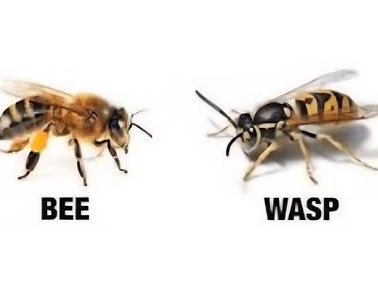
Bees & Wasps are very dangerous to Primates and if you have a bee or wasp problem, you should get professional help immediately. Tips to keep bees away: Add 5-7ml vinegar to 500ml water in water ponds, fountains, bird baths that are outside; it will make it unpalatable to bees. A few mothballs kept in plastic bottles that has holes punched into it; hung around the outside of their cages. Just be sure that your Monkeys cannot reach the moth balls. Planting mint, red dianthus, geraniums and marigolds around your outside cages will also help to deter bees from the area. Cinnamon is also a good deterrent; scatter around your cages.
Marmoset/Tamaryn
Safe & Toxic Plants
Toxic Plants: Acorn (oak) Amaryllis Anenome Angel trumpet tree Apricot kernels and leaves Arrowhead Autumn crocus Avocado leaves Azalea Bane berry Belladonna Betel nut palm Bird of Paradise (Strelitzia) Bittersweet Black locust Bleeding heart Boxwood Bracken fern Buckeye Burning bush Buttercup Caladium Calla lily Castor bean Cedar Century plant Cheery pits Chinaberry Choke cherry Christmas rose Chrysanthemums Climbing nightshade Cockleburr Columbine Cowbane Cyclamen Daffodil Daphne Deadly Nightshade Delphinium Desert potato Devil's ivy Dieffenbachia Dogwood Dutchman's/Bears breeches Elderberry English ivy Elephant ear Euonymus Fava bean Flags (Iris) Foxglove Hemlock Hollyberries Horse chestnut Horsetail reed Huckleberry Hyacinth Hydrangea Impatiens plant Indian turnip Ink berry Ivy Japanese/chinese tallow Jasmine Jerusalem cherry Lantana Larkspur Laurel (Bay leaf) Ligustrum (Privet) Lily of the Valley Lobelia Lupine Mayapple Milkweeds Mistletoe Mock orange Monkshood Moonseed Morning glory Mother-in-law's tongue Mountain laurel Mulberries Mushrooms/toadstools Narcissus Nightshade Oak tree Oleander Peach seeds Pencil tree Peony Periwinkle Philodendron Pinks Potato - green parts Poinsettia Primrose Privet Ranunculius Rhododendron Rhubarb leaves Rosary pea Snow drop Sorrel Star of Bethlehem Sweet pea Swiss cheese plant Tobacco Tomato - green parts Tulip bulb Virginia creeper Water hemlock Wild black cherry Wild mustard Wisteria Yaupon tree Yellow jessamine Yew berries *Not all poisonous plants are listed here SAFE PLANTS: African Violet Alaska Variegated Nasturtiums Apricot tree Bamboo - both on the inside and the outside of the enclosure Banana trees Beans - planted in separate containers and put in the cage when mature Blue-leaf wattle Borage Broccoli Bromeliads - seeds and mealworms can be placed inside the plant Brussel sprouts Cantaloupe - planted in a separate garden and fed whole Casablanca Chinsese Guava Cast iron plants Chive blossoms Clover - inside the enclosure Coleus Comfrey - inside enclosure Corn - separate garden, ears and stalk can be given Cottage pinks Crocus Daisies Day Lily Dianthus Dagwood Dandelions Double Canterberry Bells Dracaena Easter Lily Empress of India Nasturtiums Ferns Fig - various species Forsythia Fuchsia Geranium Ginger - not ornamental Glorious Glean Trailing Mix Granadilla Grape vines Guava tree Hackberry Hibiscus- not Rose of Sharon or 'St Johns Wort Hollyhocks Honey Locusts Honeysuckle Horseradish - hard to eradicate once established Jade plant Jonny Jump-ups Kablouna Calendulas Kalanchoe Long-leaved magnolias Lemon basil Lemongrass Lilac Liriope Long-Leaved Magnolias Malabar Spinach Mammoth Sunflower Nasturtium Melons Norfolk pine tree Palm trees - various species Pansies Passion vine (granadilla) Peach tree Peas - plant in separate garden, feed whole pods Petunia Peppermint Pine - outside enclosure Prayer plant Pumpkin - outside enclosure Roses - rich in vitamin C Rubber tree - inside enclosure Shellginger Silverberry Southern Dewberry Strawberry - separate garden Sweet potato - separate garden Tangerine Gem Thyme Turnips - separate garden Violets - flowers Wandering yew Weeping Chinese Banyan Whirlybird Nasturtiums Willow tree - branches for browse Wild cherry tree - outside enclosure Wild strawberry / snakeberry *Not all safe plants are listed here


Marmoset/Tamaryn
Emergency Medication
Emergency: a Vet check is always going to be the best option, but in the case of an emergency these medications may help or at least give you enough time to get to a vet. Ensure that your medical emergency kit always contains a 1ml syringe for the use of administering medications. The Medications listed below are the only ones that will be needed in 99% of cases 0.1mil is the usual dosage amount. PLEASE NOTE: that its NOT 1mil, but 0.1mil for adult Marmosets and Tamaryns. PLEASE DO NOT OVERDOSE YOUR MONKEY. It is essential that you double check what dosage to give in all situations. Dosages may change based on your monkeys weight and age. Hydration: Scripto-Lyte & Dehydrate. Oral rehydration therapy. Dehydration caused by diarrheas' or vomiting can be a life-threatening. Read packaging for dilution instructions. Gastropect Suspension: Gastropect Suspension is specially formulated to help stop diarrhoea and gently restore an upset digestive system to a more stable state. Medazine Nausea and vomiting Bactroban Cream - External use only for treating skin infections. It works by stopping the production of essential proteins needed by the bacteria to survive. Bactroban cream is an antibacterial, anti Inflammatory for skin rashes, burns, Insect Bite reactions & swelling, Pectrolyte Suspension It is used to treat diarrhoea and can help replace electrolytes that may be lost as a result of diarrhoea or vomiting. Panado Syrup or Adco Napamol - Pain and Fever Allergex drops/tablets/Cream Anti Histamine (insect bites) Also apply Allergex cream on visible insect bites. Baby Powder - Stop bleeding - Apply a big pinch of baby powder to bleeding wound/area. Flagyl - Antibiotic Metronidazole, marketed under the brand name Flagyl among others, is an antibiotic and antiprotozoal medication. It is used either alone or with other antibiotics to treat pelvic inflammatory disease, endocarditis, and bacterial vaginosis. Metronidazole is an antibiotic that is used to treat a wide variety of infections. It works by stopping the growth of certain bacteria and parasites. This antibiotic treats only certain bacterial and parasitic infections. It will not work for viral infections (such as common cold, flu). Purmycin - Antibiotic Broad and Medium spectrum antibiotics. INDICATIONS: Respiratory infections: Atypical and typical pneumonia, Legionaire's disease, diphtheria, pharyngitis, laryngotracheitis and otitis Urinary tract infections: Uncomplicated endocervical, rectal and epydidymal infections and nonspecific urethritis; Gastro-intestinal infections: Early bacterial gastro-enteritis; Skin and soft tissue infections: Erysipelas, "malignant pustules" and erythrasma; Miscellaneous infections: Scarlet fever, tetanus, early syphilis (in patients allergic to penicillin), gonococcal arthritisdermatitis syndrome, meningitis and bacteremia; Prophylactic use. (in patients hypersensitive to penicillin) Trifen Expectorant Paediatric Syrup (Cold/Flu) Common Cold Cough Chest Congestion Allergies Sinus Congestion And Pressure Only to be used when you do not have a vet close to you. (being on plots/farms etc) Take your monkey immediately to a vet if any of these symptoms appear. Sometimes a symptom can be very misleading. It could be an airway infection - lung infection and could be life threatening.
Marmoset/Tamaryn
To Continue
Marmoset/Tamaryn
To Continue
Marmoset/Tamaryn
To Continue